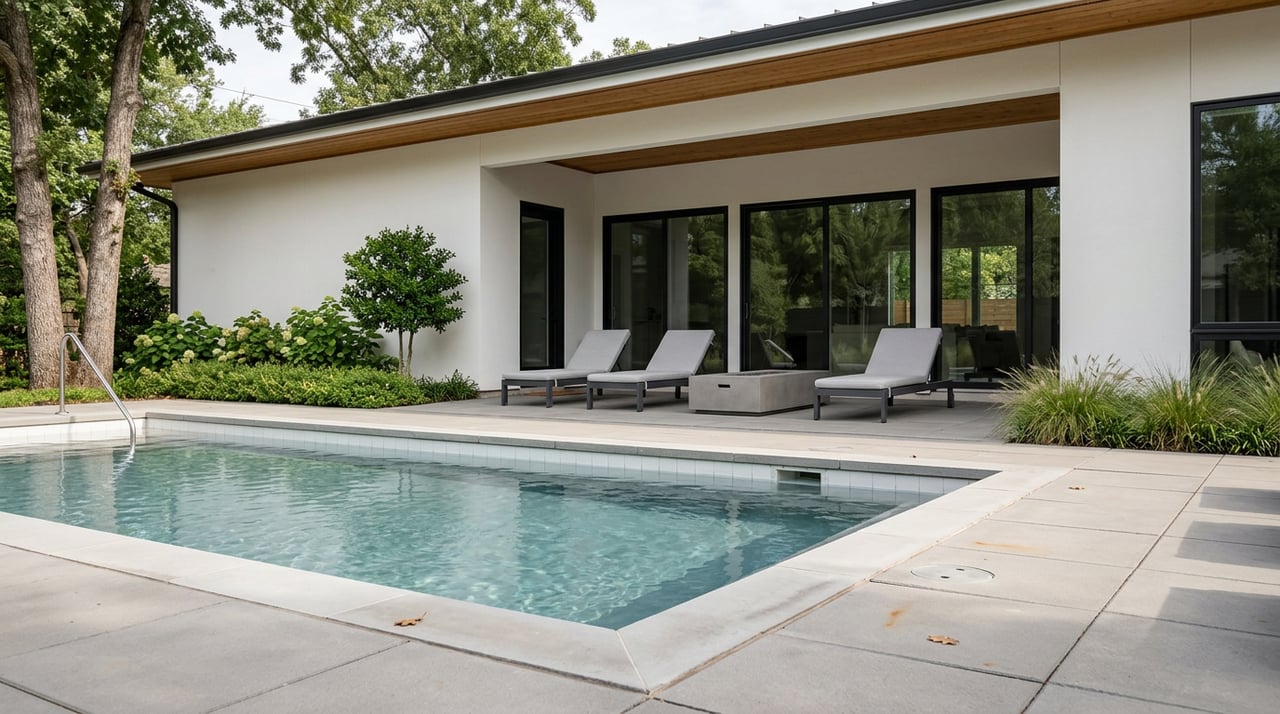
Love the idea of walking to a pool, pickleball court, or clubhouse right from your front door? In Canton, many HOA communities offer those perks, but they also come with rules, dues, and future costs you should understand. This guide shows you what to look for, how amenities affect monthly fees and resale, and the questions to ask before you buy. Let’s dive in.
Canton HOA amenities: what you’ll see
Canton’s master-planned neighborhoods often offer a full lifestyle package. You’ll commonly find:
- Resort-style pools, sometimes with slides or multiple pools
- Clubhouses with meeting rooms and social spaces
- Fitness centers and activity lawns
- Playgrounds, dog parks, and miles of walking trails
- Tennis and growing numbers of pickleball courts
- Sports fields and, in some communities, golf courses or age-targeted programming
Local examples can help you compare amenity tiers. River Green highlights multiple pools, a fitness center, and trail access, according to its community page for The Village at River Green. Towne Mill showcases a multi-tier resort pool, gym, and courts in this neighborhood guide. Some club communities in the area also offer golf with separate membership structures.
For price context as you weigh HOA fees alongside home price, Canton’s recent snapshots show a median sold price in the mid 400s to mid 500s, depending on neighborhood and date. You can see current trends in the Canton market report.
How amenities affect dues and resale
Operating costs you share
Pools, clubhouses, trails, and courts are great, but they are not free to run. HOAs must fund lifeguards or attendants where required, cleaning, chemicals and water for pools, utilities, landscaping and irrigation, insurance, and routine upkeep. These recurring costs feed into your regular assessments. Larger amenities also have periodic capital needs like pool replastering, court resurfacing, and clubhouse roof or HVAC replacement.
Boards typically pay for big-ticket replacements from reserve funds. When reserves run short, they raise dues or levy a special assessment. Industry guidance ties underfunded reserves to a higher risk of special assessments, which is why funding discipline matters. Review the best-practice overview on reserve studies and funding.
As a practical example of pressure points, some boards cite lifeguard staffing, utilities, and repair costs as key drivers of pool budgets. One suburban HOA’s public pool proposal shows how these line items can rise over a few years and strain fees. You can skim a recent pool-cost example here: community pool cost proposal.
Local fee examples and add-ons
Fees vary with the amenity package and ownership model. For instance, community advertising for River Green has cited HOA fees around the low to mid $200s per month. Always verify current numbers in the official resale package, since dues change year to year. Some country-club neighborhoods report lower HOA dues but add optional club or initiation fees for golf membership. The structure matters as you compare communities with similar amenities.
Resale impact in Canton
Amenities can make a home more marketable, but they do not add value dollar for dollar with their cost. Appraisal principles emphasize contribution based on buyer demand and neighborhood norms. In short, a pool and clubhouse may widen your buyer pool in one submarket and narrow it in another if dues are higher than nearby options. Lean on local comps and remember that contribution follows utility, not just installation cost.
What to verify before you write an offer
Ask for the full document set
During due diligence, request the association resale or estoppel packet. At a minimum, ask for:
- Current year budget and last 2–3 years of income and expense statements
- The most recent reserve study and current reserve balance
- Board meeting minutes for the past 6–12 months
- CC&Rs and amendments, plus rules and amenity policies
- Master insurance declarations page (limits and deductible)
- Management agreement and major vendor contracts (landscaping, pool, security)
- Any litigation disclosures
These items reveal how amenities are funded, upcoming projects, and risks that could trigger assessments. For an overview of budgeting and transparency norms, see CAI’s budgeting best practices.
Reserve studies matter
A proper reserve study inventories major components like roofs, paving, pools, and HVAC, then estimates remaining life and replacement cost and sets a funding plan. If there is no recent study or reserves are far below recommendations, your special-assessment risk rises. Learn what a solid study includes in the reserve studies guide.
Georgia HOA law basics
Many Georgia communities adopt the Property Owners’ Association Act (POAA), which sets structure for meetings, voting, collections, and lien rights. Confirm whether the HOA follows the POAA or common-law covenants, and understand that unpaid assessments can become a lien under state law. Read the code context in Georgia Code 44-3-220.
Insurance and the owner’s coverage gap
The HOA’s master policy covers common areas and certain building elements, but it will not cover many interior items. Ask to see the master declarations page to learn the deductible and what the association covers. Then speak with your insurer about the right owner policy and a loss-assessment endorsement, which can help cover your share of a special assessment after a covered claim. Here is a helpful explainer on HO-6 and loss-assessment coverage.
On-site checklist for tours
Bring this quick list when you walk amenities with the manager or your agent:
Pool area: water clarity, deck condition, gates and fencing, posted hours and rules. In Georgia, public-use pools must display required signage and permits. See public pool requirements from Clayton County Public Health.
Lifeguards: ask if lifeguards are staffed and paid or if it is swim at your own risk. Staffing affects annual costs.
Clubhouse: cleanliness, HVAC comfort, rental rules, and any fees to reserve space. Check access systems (keys, fobs) and posted schedules.
Fitness room: equipment age and condition, maintenance logs, and hours. Note if usage is capped at busy times.
Courts: surface wear, net and fence condition, and lighting for evening play. Ask about court-reservation rules.
Trails and parks: drainage around paths, tree maintenance, and lighting. Confirm who is responsible for trail upkeep.
Playgrounds: surfacing, shade, and equipment wear. Ask about replacement timelines.
Security and access: cameras, patrols, and vendor contracts. Ask if any amenities are members-only or require extra badges.
Rules and use limits: guest policies, age limits, reservation systems, and any separate memberships.
Budget coverage: confirm exactly what dues cover, including utilities, insurance, staffing, landscaping, and reserves.
Reserves health: ask for the last reserve study and current reserve balance as a percent of recommended funding.
Upcoming projects: ask about planned capital work or any approved special assessments within 12–36 months.
Red flags to pause on
- No recent reserve study or reserves well below recommendations
- Repeated special assessments for the same system (for example, pool repairs year after year)
- Large or rising master-policy deductibles that could shift more cost to owners
- High dues with missing financials or minutes, or poor transparency from the board
- High delinquency rates on dues that could strain cash flow and raise assessment risk
Amenity tiers in Canton communities
Understanding how amenities are packaged helps you compare apples to apples.
- Basic: A single pool, small playground, and open green space. Dues are often lower, with fewer staffing needs.
- Mid-range: Multiple pools or a larger pool complex, clubhouse, gym, playgrounds, and trails. River Green is a useful example, with pools, a fitness center, and trail access shown in its community page.
- Resort or club: Resort-style pool decks, robust court complexes, gyms, and social programming. Towne Mill illustrates this tier in a local guide. Some country-club communities add golf, often with separate membership or initiation fees.
Whatever you choose, weigh lifestyle benefits against dues, reserves health, and rules that fit your household.
Make a confident move
The best amenity is one you will use often and can afford comfortably over time. Before you remove any HOA contingency, request the resale or estoppel packet, the reserve study, recent minutes, and the master insurance declarations page. If you want a second set of eyes on the numbers or a tour of Canton communities that match your wish list, reach out. Book a 15‑Minute Market Walkthrough with Adrienne Freeman.
FAQs
What HOA amenities are most common in Canton?
- You will often see resort-style pools, clubhouses, fitness rooms, playgrounds, trails, tennis and pickleball courts, and in some communities golf or age-targeted programming.
How do HOA amenities change monthly dues in Canton?
- More amenities mean higher operating and replacement costs that flow into assessments. Complexes with pools, gyms, and staffed facilities generally carry higher dues than basic packages.
What is an HOA reserve study and why does it matter?
- A reserve study maps major components like pools and roofs, estimates when they need replacement, and sets a funding plan. Strong reserves lower your risk of special assessments.
What should you ask the HOA about insurance coverage?
- Ask for the master insurance declarations page, including limits and deductibles, and review what the HOA covers vs what you must insure. Ask your insurer about loss-assessment coverage.
Are golf memberships included in HOA dues?
- Often no. Many country-club amenities are separate, with optional memberships or initiation fees. Confirm costs and what access you receive before buying.
What documents should you review before removing an HOA contingency?
- Request the budget, financials for 2–3 years, reserve study and balance, recent board minutes, CC&Rs and rules, master insurance declarations, and disclosures on lawsuits or planned projects.