Looking for a place where local history is not tucked away in a museum, but woven into the streets, storefronts, and homes you see every day? Canton offers that rare mix of historic character, mill-town roots, and a walkable downtown feel that many buyers want but struggle to find. If you are drawn to older homes and the stories they carry, this guide will help you understand what gives Canton its charm, what you can realistically expect from historic housing here, and what to check before you buy or renovate. Let’s dive in.
Canton’s history still shapes daily life
Canton’s sense of place comes from a long history tied to rail access, cotton manufacturing, and denim production. According to the National Register documentation for the Canton Commercial Historic District, the city expanded after the Marietta and North Georgia Railroad arrived in 1879, and the Canton Cotton Mill, established in 1899, became the county’s largest employer.
That industrial past did more than create jobs. The mill helped shape the city’s layout and community life, with worker villages, schools, stores, festivals, and a church all tied to the area’s growth. Today, that legacy still helps explain why Canton feels more layered and rooted than a typical postwar suburban community.
Mill-town charm in modern Canton
One of the biggest reasons Canton stands out is that its history is still visible. Mill No. 1, once part of the city’s economic center, has been repurposed into The Mill on Etowah, a mixed-use destination with restaurants, shopping, and coworking space.
That matters if you are thinking about buying a home nearby. A place with preserved industrial buildings, a connected downtown, and historic street patterns often feels more established over time. In Canton, the appeal is not just one building or one block. It is the way the older business district, the mill redevelopment, and nearby homes all connect to the same growth era.
Historic downtown adds walkable appeal
Canton’s downtown is one of the clearest examples of its historic identity. The Canton Commercial Historic District includes one and one-half blocks of late-19th- and early-20th-century commercial buildings within the city’s original grid street system.
The architecture includes modest brick buildings with details tied to styles such as Victorian Eclectic, Commercial, Beaux Arts, and Art Moderne. Features like corbeled cornices, decorative spandrels, segmental arches, and parapet rooflines give the area texture without feeling overdone.
The city’s Downtown Canton page shows how this historic core continues to function as a community hub. The city reports that more than 300,000 square feet of historic buildings have been restored in recent years, and West Main Street helps connect Historic Downtown to The Mill on Etowah. That connection helps the area feel cohesive and easier to explore on foot.
What older homes in Canton may look like
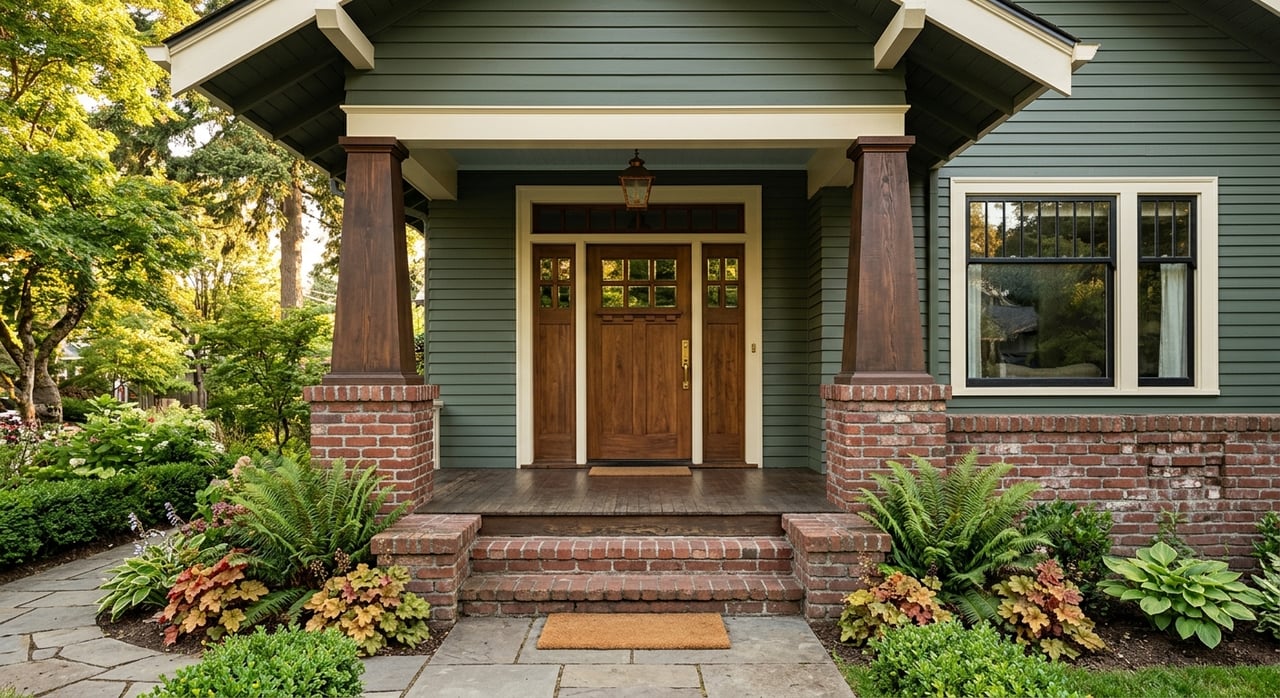
Canton does not appear to publish a block-by-block survey of its older residential architecture. Still, based on the city’s growth pattern from the railroad era through the mill boom, older homes here likely reflect house forms commonly seen in Georgia during the late 19th and early 20th centuries.
That can include styles and forms such as:
- Bungalows
- American Foursquares
- Colonial Revival homes
- Queen Anne homes
- Vernacular cottages
- Georgian Cottage forms
- I-house forms
This is best understood as an era-based pattern, not a strict inventory of every street or neighborhood. In other words, if you are shopping for an older home in Canton, you may find a variety of historic influences rather than one uniform architectural style.
The charm goes beyond the house itself
When buyers think about historic homes, they often focus on details like front porches, woodwork, or original windows. In Canton, the appeal can also come from the broader setting around the home.
Because the mills helped create worker villages and community-serving spaces, some older parts of Canton may feel more compact and connected to daily life. That pattern can create a neighborhood experience shaped by nearby streets, public spaces, historic buildings, and a downtown core that still plays an active role in the city.
Why buyers are drawn to historic homes
For many buyers, older homes offer something newer construction may not. They can provide visual character, established surroundings, and a sense of continuity with the city’s past.
In Canton, that interest often comes from a few key factors:
- Architectural personality through older design details and proportions
- Historic context tied to the city’s railroad and mill-town growth
- Walkable access near downtown and the Mill on Etowah area
- A more rooted feel created by a long-standing street pattern and community landmarks
If you value homes that feel distinct rather than interchangeable, Canton’s older housing stock may be worth a closer look.
What to check before buying or renovating
Historic homes can be rewarding, but they also come with extra homework. One of the most important things to confirm is whether a property is located within Canton’s local Historic District.
The city states that an expansion of the district approved by City Council on November 21, 2024 took effect on January 1, 2025. According to the city’s historic district update, properties inside the district must be reviewed by the Historic Preservation Commission for exterior work.
That does not automatically make ownership difficult. It does mean you should understand the review process before planning changes to the outside of the home. If you are considering updates, that step should be part of your due diligence early on.
National Register status and local rules
This is an area where buyers sometimes get confused. A property being associated with the National Register is not the same thing as being subject to local historic district restrictions.
As noted by the city and History Cherokee in the city’s historic district update, inclusion in the National Register does not itself create restrictions. It may, however, offer benefits such as tax credits for qualified renovation projects. The practical takeaway is simple: ask about both National Register context and local district boundaries, because they are not interchangeable.
Lead-safe renovation matters in older homes
If a home was built before 1978, lead-safe renovation planning should be on your checklist. The EPA’s Renovation, Repair and Painting Program explains that renovation work in pre-1978 homes can create dangerous lead dust.
The EPA also states that paid projects disturbing lead-based paint must be handled by certified lead-safe contractors using lead-safe practices. For buyers and sellers in Canton, this is a practical issue, not just a technical one. If you plan to repaint, repair, or remodel an older home, it is smart to confirm the age of the property and build your renovation plan accordingly.
A smart approach to buying in historic Canton
If you are serious about buying a historic home in Canton, it helps to balance emotion with research. Character is important, but so are rules, timelines, and renovation costs.
A good buying approach often includes:
- Identifying which older areas best match your lifestyle and budget
- Asking whether a property is inside the local Historic District
- Reviewing any planned exterior updates before closing
- Confirming the home’s approximate construction era
- Planning for lead-safe renovation requirements if the home predates 1978
- Looking at how the home connects to downtown, streets, and daily amenities
That kind of preparation can help you enjoy the charm without being surprised later.
Why Canton stands out
Canton’s appeal comes from the combination of a compact historic downtown, visible mill-town history, and older residential areas shaped by the city’s early growth. It is not just about finding an old house. It is about finding a home in a place where the larger story still feels present.
If you want help sorting through Canton’s older homes, understanding where historic rules may apply, or narrowing down the right area for your move, Adrienne Freeman can help you make a confident plan with clear, local guidance.
FAQs
What gives Canton, Georgia its mill-town charm?
- Canton’s charm is closely tied to its railroad history, the Canton Cotton Mill, worker villages, and the continued presence of historic downtown and the Mill on Etowah.
What kinds of historic homes might you find in Canton?
- Older homes in Canton may reflect late-19th- and early-20th-century Georgia house forms such as bungalows, American Foursquares, Colonial Revival homes, Queen Anne homes, and vernacular cottages.
What should you know before renovating a historic home in Canton?
- If a property is inside Canton’s local Historic District, exterior work must be reviewed by the Historic Preservation Commission, so you should verify district status before making changes.
What does National Register status mean for a Canton property?
- National Register inclusion does not itself create restrictions, but it may offer benefits such as tax credits for qualified renovation projects.
Why does lead-safe renovation matter for older Canton homes?
- For homes built before 1978, renovation work can create dangerous lead dust, and paid work disturbing lead-based paint must be done by certified lead-safe contractors following EPA rules.