Trying to make sense of Canton housing headlines? You are not alone. Whether you plan to buy, sell, or simply keep an eye on your equity, the buzz around prices, inventory, and days on market can feel confusing. In this guide, you will learn the key metrics that define the Canton market, how those numbers are interpreted, and what they mean for your next move. Let’s dive in.
Canton market snapshot: what matters now
If you follow one theme in Canton, make it this: track pricing, supply, speed, and negotiation together. One metric rarely tells the full story. When you connect them, you see whether demand is building, cooling, or shifting by price range or property type.
- Pricing direction shows where buyer demand meets seller expectations.
- Inventory and months of supply reveal negotiating power.
- Days on market show the market’s speed.
- List-to-sale price ratio shows how close final prices are to asking.
You will find quick wins by watching these metrics across the last 30, 90, and 365 days. Short windows capture momentum. Year-over-year helps you filter out seasonality.
What the key numbers mean
Median price basics
Median sales price is the middle sale price for a time period. It is a clean way to see direction without being skewed by very high or very low sales. Rising median price over the past year often indicates strong demand versus available supply. Flat or declining trends suggest cooling or shifting toward different price bands.
How to use it:
- Check 30-, 90-, and 365-day medians to spot momentum.
- Compare Canton to Cherokee County and the wider Atlanta metro to see if Canton is leading, lagging, or moving in line.
Price per square foot
Price per square foot helps you compare across different home sizes and styles. It is especially useful when you evaluate new construction versus resale homes. New builds can command higher prices per square foot due to modern features and warranties, while established homes may trade at a discount or premium based on lot size, condition, and location.
How to use it:
- Compare similar product types only. Ranch to ranch. Two-story to two-story.
- Watch new construction versus resale gaps. Big gaps can affect offer strategy.
Inventory and months of supply
Inventory is the count of active listings at a given time. Months of supply equals active listings divided by the average monthly sales. It is the clearest gauge of market balance.
Common thresholds you can use:
- Less than 3 months of supply typically favors sellers.
- Three to six months is considered balanced.
- More than 6 months favors buyers.
How to use it:
- Pair months of supply with days on market. Tight supply plus fast days on market signals heat.
- Track new listings. Rising new listing counts can influence pricing and concessions.
Days on market
Days on market is how long a listing takes to go under contract. Median values keep outliers from skewing the view. Short days on market often indicate strong demand and correct pricing. Longer times can signal overpricing, condition concerns, or softer demand.
Interpretation guide:
- Under 30 days is typical of a hot seller segment.
- Over 60 to 90 days suggests softening or mispricing.
List-to-sale price ratio
This ratio compares the final sale price to the original list price. It reveals negotiation dynamics.
Watch these ranges:
- Around or above 100 percent points to frequent multiple offers or strong pricing power.
- About 97 to 99 percent suggests a balanced market with modest room to negotiate.
- Below 95 percent signals greater buyer leverage and more frequent concessions.
Pending ratio and days to pending
Pending ratio compares pending listings to active listings at a snapshot in time. It is an early indicator because pendings react faster than closed sales. If the pending ratio rises while inventory stays stable, momentum is building. Days to pending, similar to days on market, shows how quickly accepted offers are happening.
Why Canton can differ from the metro
New construction pipeline
Canton often has an active new construction scene alongside established neighborhoods. When builder inventory rises, it can increase options and sometimes slow price growth in certain tiers. Builders may also offer incentives, which change the value equation versus nearby resale homes.
Commute patterns on I-575
Canton’s proximity to I-575 shapes buyer decisions. Commute needs influence preferred neighborhoods, lot sizes, and even willingness to trade new construction for location. Planned transportation improvements can shift buyer interest between pockets over time.
Product mix and lot sizes
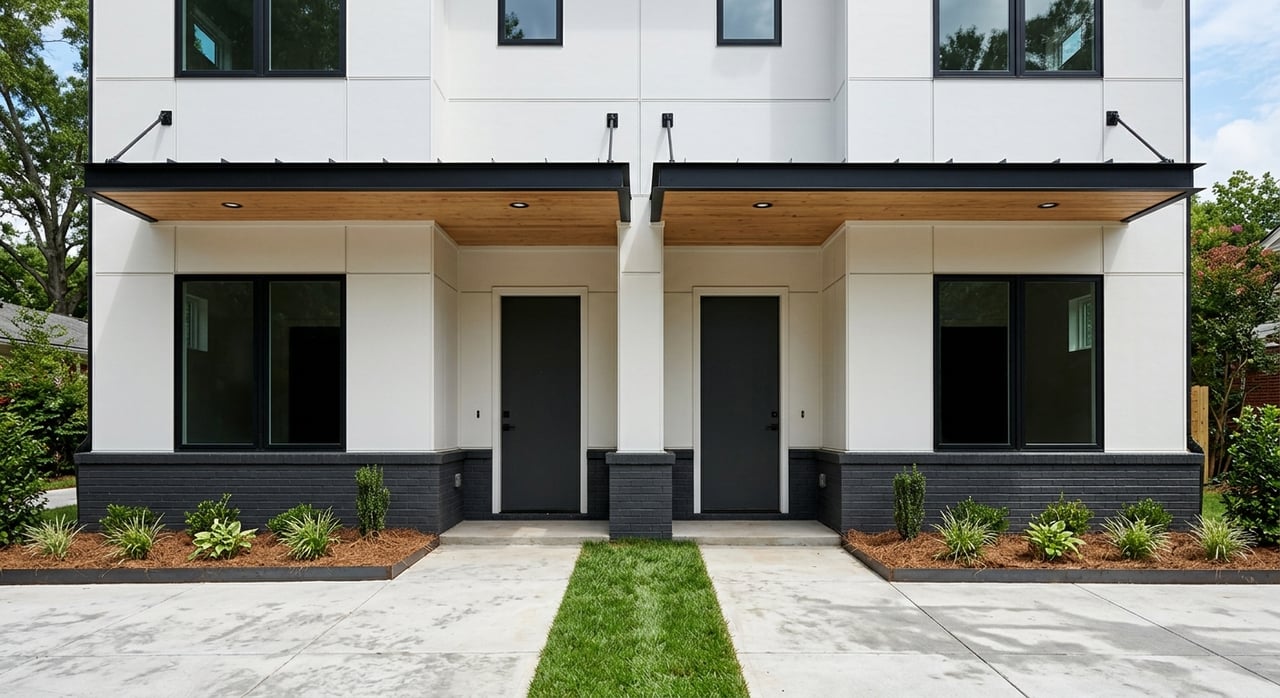
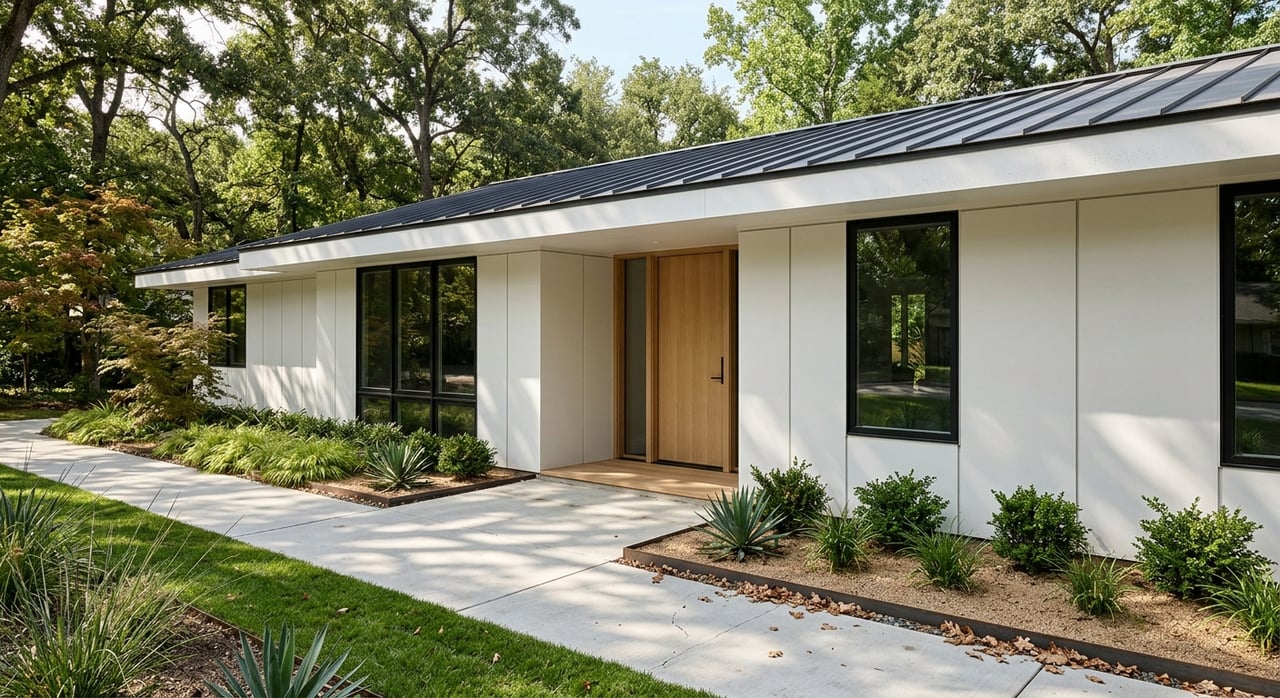
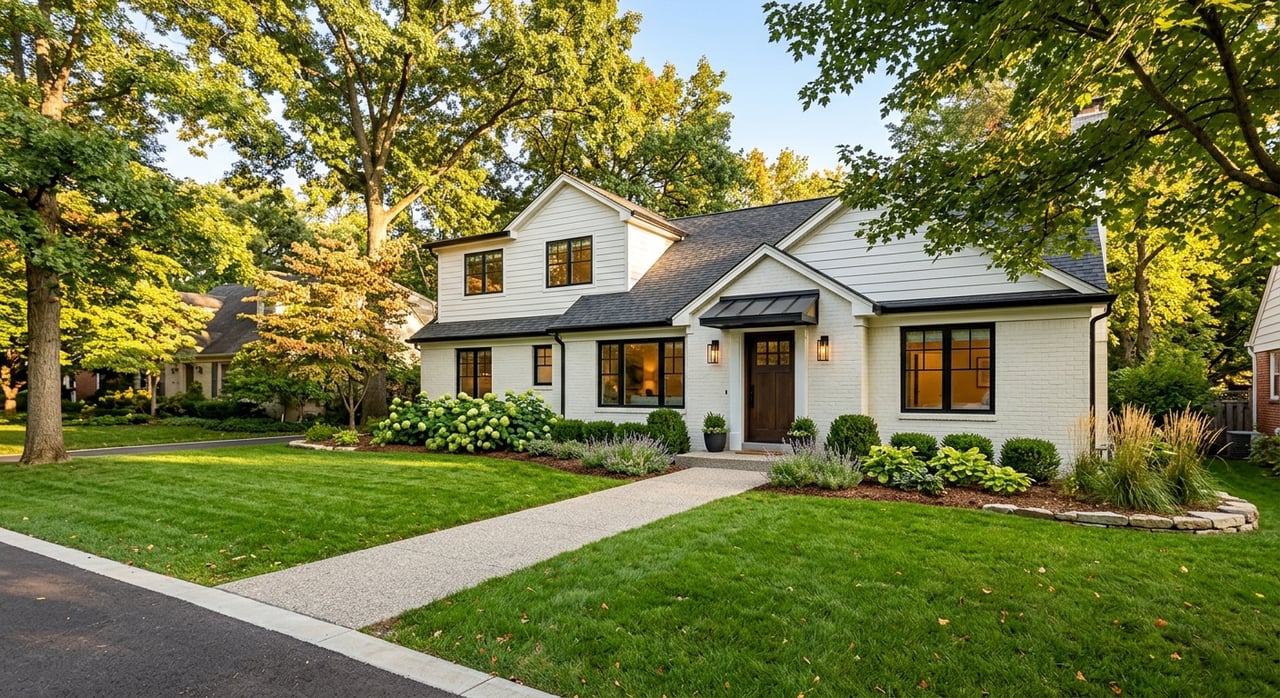
You will find a mix of downtown cottages, traditional subdivisions, and larger-lot homes. Different lot sizes and HOA setups can lead to different price-per-square-foot patterns and days on market. Established areas may value mature trees and community feel, while newer communities may attract buyers seeking modern layouts and amenities.
School zone effects
School attendance zones are a common factor for many buyers. Market behavior can vary by zone, which can change pricing and speed of sale. Keep references neutral and use data when comparing areas. The best approach is to verify how specific zones are performing rather than assuming citywide behavior.
Seasonality and interest rates
Canton follows common seasonality. Spring often brings more listings and buyers, while late fall and winter can be steadier but thinner. Mortgage rates influence affordability and can shift buyers toward lower price bands or toward new construction when incentives offset monthly payments.
What it means for sellers
Price and prep strategy
- Set a data-backed list price that matches your segment. In faster segments, pricing at market can create strong first-week activity. In slower segments, realistic pricing and condition improvements help shorten time to offer.
- Focus on first impressions. Professional photos, clear lighting, and neutral staging can increase showings and improve your list-to-sale ratio.
- Watch nearby new construction. If builders offer rate buydowns or upgrades, highlight your advantages such as lot size, established landscaping, or immediate move-in.
Timing and negotiation
- If months of supply is low and days on market are short, prepare for quick negotiations. Set offer deadlines and define your preferred closing window.
- If median price is flat and list-to-sale ratios are softening, expect more negotiation. Consider offering credits, flexible closing, or pre-list updates that matter to buyers.
Metrics to monitor weekly
- New listings and price reductions in your micro-area.
- Showing activity and feedback during the first 10 days.
- Competing pendings and closings that reset buyer expectations.
What it means for buyers
Get ready before you shop
- Secure a strong pre-approval so you can act quickly if you find the right home.
- Define non-negotiables versus nice-to-haves, including commute needs along I-575 and key neighborhood features.
- Ask about new construction incentives in your price range. Compare total cost, including HOA and potential rate buydowns, to similar resale homes.
Offer strategy by market condition
- Tight supply and quick sales: Consider clean offers with shorter timelines, strong earnest money, and escalation clauses when appropriate. Protect your interests with focused contingencies.
- Balanced to soft conditions: Use recent comparable sales to support your offer. Keep inspection and financing contingencies in place. Explore seller credits to offset closing costs or rate buydowns.
Segment your search
- Compare price per square foot for similar homes. It keeps you from overpaying for upgrades that do not match your priorities.
- Watch days on market. Homes that sit can be opportunities, especially if your timing is flexible.
How to check today’s Canton numbers
You can review fresh data using a simple checklist. Define your geography first, then pull a short and long lookback so you see direction and pace.
- Define the area
- Decide if you want city limits of Canton, Canton ZIP codes, or specific Cherokee County pockets. Geography choice can change your results.
- Pull 30-, 90-, and 365-day snapshots
- Median sales price and price per square foot.
- Closed sales count, active listings, and new listings.
- Months of supply using active listings divided by average monthly closings.
- Median days on market and days to pending.
- Median list-to-sale price ratio and the current pending ratio.
- Compare to nearby benchmarks
- Cherokee County overall.
- The wider Atlanta metro.
- Add context
- Check building permits and any notable new subdivisions or rezonings that may affect future supply.
- Note current mortgage rate levels and how they relate to recent months.
- Interpret with thresholds
- Less than 3 months of supply with short days on market signals a seller-leaning environment.
- Three to six months suggests balance. Strategy matters most in this range.
- More than 6 months indicates buyer leverage and more frequent concessions.
Putting it together for Canton
Canton’s housing story is about segments. Newer subdivisions may behave differently than established areas. Larger-lot homes may follow their own trajectory. When you evaluate pricing, supply, speed, and negotiation together, you can time your move, set the right price, and write offers that win without needless risk.
If you want clarity on your exact neighborhood, the best approach is a live, hyperlocal read: what listed this week, what went pending, and which closed sales reset comps. A short walkthrough of those data points can save you money and time.
Ready to see the numbers that matter for your street and price range? Book a quick consult and we will walk you through the latest Canton data, compare new construction versus resale, and design your next steps with confidence. When you are ready, book your 15-minute Market Walkthrough with Freeman Find Homes.
FAQs
Is now a good time to sell in Canton?
- It depends on months of supply, days on market, and the list-to-sale ratio in your segment. If supply is under 3 months and days on market are short, you are likely in a seller-leaning window.
How should I price my Canton home for today’s market?
- Use recent comparable sales and the current list-to-sale ratio. In faster segments, price at market to spark first-week activity. In slower segments, price realistically and plan for negotiation or targeted updates.
How long will it take to sell a home in Canton?
- Look at median days on market for the last 30 and 90 days in your micro-area. Property type, condition, and price band can speed up or slow down your timeline.
Should I consider new construction or resale in Canton?
- Compare total cost and value. Factor in builder incentives, HOA fees, and delivery timing for new builds versus lot size, location, and condition for resale. The better deal depends on your priorities and the current incentive landscape.
What does the list-to-sale price ratio tell Canton buyers?
- It shows how close final sale prices come to asking. Around or above 100 percent indicates competitive segments. Lower ratios point to more room for negotiation and potential credits.