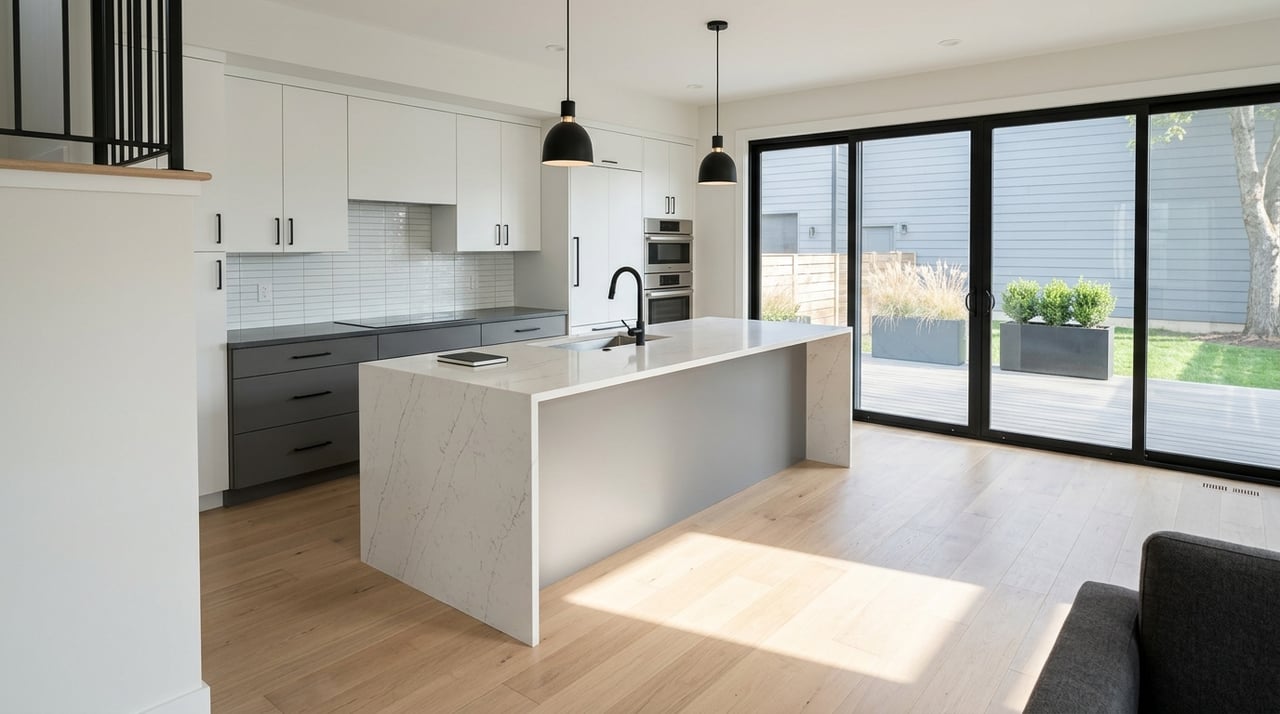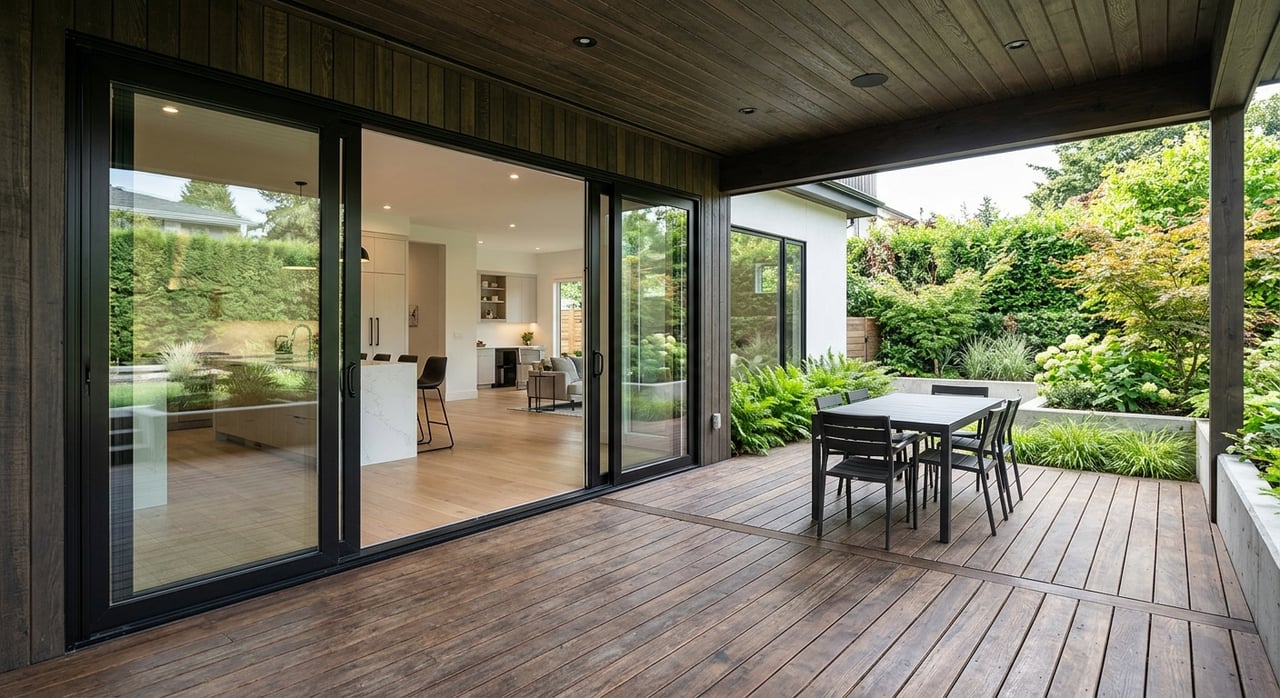
Selling a home in Canton is not just about putting a sign in the yard and hoping for the best. In a market where homes are taking an average of 57 days to sell, the sale-to-list ratio is 98.8%, and nearly 30.9% of listings have price drops, the homes that feel clean, cared for, and move-in ready often have a real advantage. If you want to list with fewer surprises and stronger first impressions, this checklist will help you focus on the prep work that matters most before your home hits the market. Let’s dive in.
Why prep matters in Canton
Canton is currently a somewhat competitive market, which means buyers still have choices and time to compare homes. That makes presentation especially important, because buyers may notice clutter, deferred maintenance, or cosmetic issues before they ever schedule a showing.
Local standards matter too. The City of Canton specifically flags visible issues like exterior walls and surfaces, vegetation, roofs, inoperable vehicles, trash, and accessory signs, so your home’s curb appeal is more than just a nice bonus. It is part of what helps your property look well maintained from the start.
Start with the highest-impact tasks
If you are deciding where to spend your time and money, the best first step is usually not a major remodel. Research on staging and seller prep points to simpler tasks like decluttering, fixing property faults, cleaning, and staging as some of the most useful ways to improve how buyers respond to a home.
A practical Canton prep sequence looks like this:
- Declutter and depersonalize
- Deep clean
- Handle minor repairs
- Refresh paint where needed
- Stage key spaces
- Schedule photography and video
This order works because buyers rely heavily on online presentation. Photos matter most, and clean, simple rooms tend to photograph better and feel easier to picture as home.
Declutter before you do anything else
Decluttering is one of the most effective pre-listing steps because it improves both the in-person and online experience. It helps rooms look bigger, cleaner, and easier to understand, which can make a strong difference when buyers first see your home in photos.
Start by removing extra furniture, crowded décor, countertop overflow, and anything that distracts from the space itself. You also want to depersonalize where possible, so buyers can focus on the home’s layout and features instead of your personal items.
Focus on visible surfaces
Clear kitchen counters, bathroom vanities, entry tables, open shelving, and laundry areas. Even small amounts of visual clutter can make a home feel busier than it is.
If you are not sure what to pack away, aim for a clean, edited look. You want each room to feel functional, open, and easy to move through.
Remove distractions from storage areas
Buyers often open closets, pantries, and garage doors. Overstuffed storage spaces can make it seem like the home does not have enough room, even when it does.
Pack away off-season items, donation piles, and anything you do not need day to day. Neat storage tells buyers the home has been cared for and used well.
Deep clean for photos and showings
Once clutter is gone, deep cleaning should be your next move. A clean home signals care, reduces buyer objections, and gives your photographer the best possible starting point.
Pay special attention to floors, baseboards, windows, kitchen surfaces, bathrooms, light fixtures, and doors. Smudges, dust, and buildup may seem minor in daily life, but they stand out in listing photos and during showings.
Clean the areas buyers notice first
Focus extra effort on the kitchen, living room, primary bedroom, and dining area. These are among the spaces most commonly staged, and they often shape a buyer’s overall impression of the home.
If time is tight, prioritize rooms that will be featured most heavily in photography. A spotless kitchen and fresh-looking primary suite can do a lot of work for your listing.
Fix the small things buyers will question
Minor repairs matter because they can create outsized doubt. A dripping faucet, loose handle, missing trim touch-up, or squeaky door may seem small, but to a buyer, several small problems together can suggest larger deferred maintenance.
Walk through your home as if you were seeing it for the first time. Test doors, lights, faucets, cabinet hardware, and visible fixtures. Repair what is clearly broken, worn, or unfinished before photography and showings begin.
Common pre-list fixes to handle
- Replace burned-out light bulbs
- Tighten loose cabinet pulls or doorknobs
- Patch small wall damage
- Touch up scuffed trim
- Fix dripping faucets
- Repair sticking doors
- Replace broken switch plates or outlet covers
- Clean or repair damaged caulk around tubs and sinks
These are not glamorous updates, but they help remove easy objections.
Use paint and entry updates wisely
If you are considering improvements before listing, modest visible updates often make the most sense. Industry remodeling data shows that sellers’ agents commonly recommend painting the entire home, painting one room, and new roofing before sale, while front door replacements can offer strong cost recovery.
For many Canton sellers, that means your best prep budget may go furthest when you focus on simple, buyer-facing upgrades. Fresh paint, front entry improvements, and exterior touch-ups often deliver more practical value than a major renovation.
Where small upgrades can help most
Consider these smart pre-list updates:
- Repaint rooms with heavy wear or bold colors
- Refresh flaking or worn exterior paint
- Improve the front door’s appearance
- Update worn hardware if it looks tired or mismatched
- Clean up the front porch and entry area
A full kitchen or bath remodel may be worth discussing only if something is clearly broken or severely dated. In many cases, a clean, fresh, well-presented home is the stronger strategy.
Make curb appeal match Canton expectations
Your exterior creates the first impression, both online and from the street. In Canton, visible property condition carries extra weight because the city’s code enforcement standards specifically call out roofs, vegetation, exterior walls and surfaces, trash, inoperable vehicles, and signs.
Before you list, stand across the street and look at your home as a buyer would. What reads as clean and maintained, and what reads as unfinished or neglected?
Canton curb appeal checklist
- Mow and edge the lawn
- Trim shrubs and overgrowth
- Remove limbs touching the roofline
- Clear leaves and debris
- Put away trash and recycling bins
- Remove any inoperable vehicles from view
- Check for roofline or gutter issues visible from the street
- Touch up peeling or flaking exterior paint
- Remove unnecessary yard or accessory signs
You do not need elaborate landscaping to make a strong impression. You just need the home to feel orderly, maintained, and ready for the market.
Check permits and historic district rules early
Not all pre-list projects are treated the same. Canton’s permit guidance says finish work like painting, papering, tile work, carpeting, cabinets, and countertops generally does not require a permit, but larger structural or systems work often does.
If you are thinking about additions, decks, screened rooms over certain sizes, retaining walls over 4 feet, fences over 7 feet, rewiring, replumbing, or adding new electrical or plumbing lines, you should sort that out early. Permit-triggering work can affect your timeline, so it is better to address it before your planned listing date gets too close.
If your home is in Canton’s Historic District
Exterior updates may need review by the Historic Preservation Commission. That can include visible changes like repainting, window changes, or other exterior work.
If your property falls within the Historic District, check that before starting outside projects. It is one of the easiest ways to avoid delays or rework.
Be careful with older homes and disclosures
If your home was built before 1978, lead-based paint rules may apply. Federal law requires disclosure of known lead-based paint and known lead hazards before most sales, and repair or painting work that disturbs lead paint should be handled with care.
If sanding, scraping, or repainting may affect older painted surfaces, it is smart to flag that issue before work begins. This is especially important if you are trying to freshen an older Canton home quickly.
You should also avoid hiding known problems during prep. Georgia generally follows caveat emptor, but courts recognize exceptions involving fraud and concealment of serious defects. In practical terms, that means it is better to document repairs and disclose known issues than to cover them up and hope they go unnoticed.
Stage the rooms that matter most
You do not have to stage every room to improve buyer response. Research shows the living room, primary bedroom, dining room, and kitchen are the spaces most commonly staged, making them the best targets when you want the biggest visual return.
These rooms help buyers imagine daily life in the home. When they look calm, functional, and inviting, the whole property tends to feel more market-ready.
Keep staging simple
Good staging is usually about editing, not adding. Use the furniture you already have when possible, then remove pieces that make the room feel crowded or awkward.
Aim for:
- Clear pathways
- Balanced furniture placement
- Minimal décor
- Clean bedding and fresh towels
- Open, bright surfaces
- A few simple accents instead of many small items
This approach works well with professional photography and helps your home feel polished without feeling overdone.
Get photo-ready before marketing starts
Photos are one of the most important listing assets, followed by staging, video, and virtual tours. That means your prep should be complete before the photographer arrives, not halfway done.
The finish line is simple: your home should be decluttered, cleaned, repaired, yard-ready, and staged in its main spaces before any marketing begins. Once the photos are taken, you want every showing to match what buyers saw online.
Final pre-photo checklist
- Open blinds and curtains for natural light
- Replace any remaining dim or mismatched bulbs
- Hide cords, remotes, and pet items
- Clear counters and nightstands
- Straighten pillows and bedding
- Put away bath mats and personal toiletries
- Move cars out of the driveway if possible
- Sweep porches and entry areas
A strong launch starts with consistent presentation. If the home looks great online and in person, you give buyers fewer reasons to pause.
If you want help deciding what to fix, what to skip, and how to get your Canton home market-ready without overspending, Adrienne Freeman can walk you through a smart prep plan built around your timeline, budget, and goals.
FAQs
What should sellers in Canton fix before listing a home?
- Sellers in Canton should usually start with visible, high-impact items like decluttering, deep cleaning, minor repairs, paint touch-ups, and curb appeal improvements, especially anything that makes the home look poorly maintained from the street.
What rooms should homeowners in Canton stage before listing?
- If you are staging only a few spaces, focus on the living room, primary bedroom, dining room, and kitchen because those rooms typically offer the biggest visual payoff for buyers.
Do homeowners in Canton need permits for repairs before listing?
- Cosmetic finish work like painting, tile, carpeting, cabinets, and countertops generally does not require a permit in Canton, but larger structural, electrical, plumbing, deck, fence, or retaining wall projects may require city approval.
What should sellers know about Historic District homes in Canton?
- If your home is in Canton’s Historic District, visible exterior work may need review by the Historic Preservation Commission before you begin the project.
How important is curb appeal when listing a Canton home?
- Curb appeal is very important because buyers see the exterior first, and Canton’s code standards also highlight visible issues like vegetation, roofs, exterior surfaces, trash, inoperable vehicles, and signs.
What should owners of older Canton homes know before painting?
- If the home was built before 1978, sellers should be aware of lead-based paint disclosure rules and use care before any sanding, scraping, or repainting that could disturb older painted surfaces.